Influencer Marketing has ballooned into a $25 billion industry, yet many marketing managers are left confused by this, because for them, it’s really not delivering the results to justify the hype.
Here’s the thing. Influencer marketing is not a one-size-fits-all marketing strategy such as Facebook or Adwords advertising. Each company needs to take a closer look at what influencer marketing can achieve, where it falls down, and how you can do a better job with this latest form of marketing that delivers, on average, $6.50 of value for every $1 spent.
The analysis below relies on clients and case studies from our experience at OpenSponsorship.com (my company) which is the largest marketplace connecting brands with over 5500 professional athletes for marketing campaigns.
With over 3500 deals to date across clients as big as Vitamin Shoppe and Anheuser Busch, established players like Jabra and Project Repat, and new startups like Brazyn and Gutzy, we have seen a lot go wrong (who knew you could disable comments on a post!) and a lot go right (an unknown skiier’s $100 Instagram, posted right before the Winter Olympics, going viral after he won the Silver)!!
Thanks to our in-house data experts, integrations with IBM Watson, robust ROI tracking tools and 10 years+ of experience combining the learnings of sports sponsorship with influencer marketing, we have gained extensive insights into campaign strategies.
We will share our learnings about what criteria to consider when choosing the best influencer to work with, figuring out how much to pay the influencer, what rights to ask for in the deal, what terms and conditions are reasonable and how to track ROI for the deal.
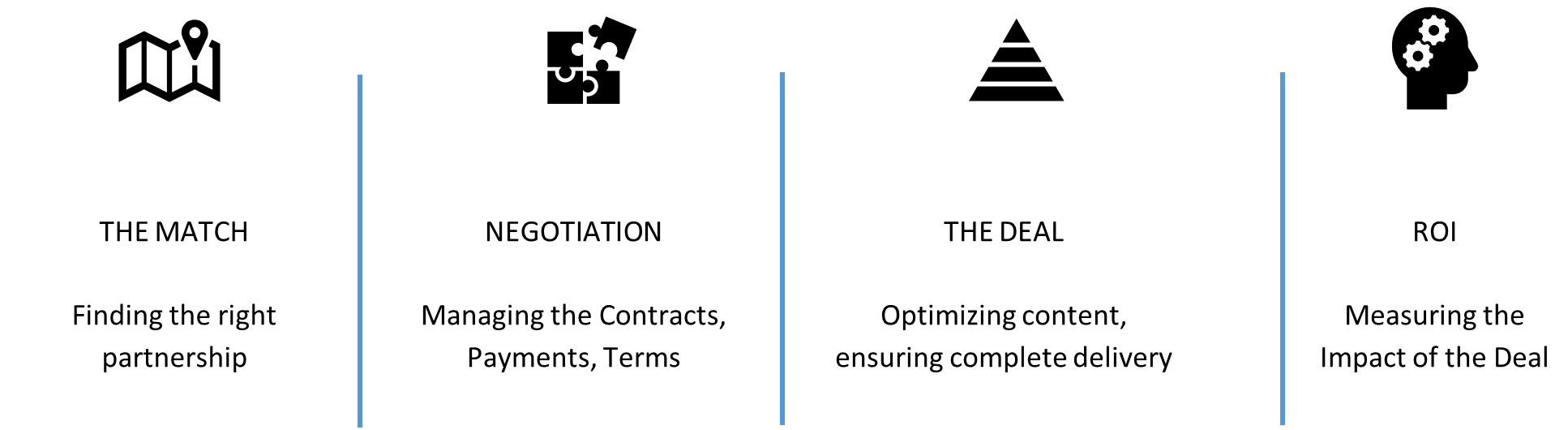
Table of Contents
- Who is the right influencer?
- What is the right price to pay?
- What rights to include in the deal?
- T&Cs: need-to-have vs. nice-to-have?
- ROI, the holy grail, what and how to track?
- In Conclusion…
Who is the right influencer?
At OpenSponsorship, we match brands with athletes for marketing campaigns, with a view to further expand into other areas of media and entertainment such as music artists, comedians, actors. Even within the athlete world, there is the concept of micro-influencers such as yogis, triathletes, marathon runners, all the way to macro-influencers such as NFL Quarterbacks, starting NBA point guards and everything in between.
Our 3 recommendations for picking the right influencers are:

from Startups – TechCrunch https://ift.tt/31Vr8Fv
Comments
Post a Comment