Last week, Trump signed an executive order that enabled the federal government to prohibit U.S. companies from buying telecom equipment from foreign companies at their discretion.
This week, the full damage began to feel apparent to China’s fastest-growing smartphone powerhouse, Huawei. American companies, at the behest of Trump and company, began turning on the Chinese giant, and what they’re stripping away will undoubtedly impact Huawei in a material way. Huawei may soon have to deal without simple, little things like — I don’t know — access to the non-open-sourced version of Android or possibly the prevailing chip architectures in modern smartphones, or Google’s app store. Here are some of the parties at play that may be leaving Huawei by the wayside. ARM. Intel, Qualcomm, Xilinx and Broadcom. Google.
Basically, the past week has stripped away decades of the American smartphone technology backbone and ensured that Huawei is going to have to DIY its future success in these arenas. The ban was placed, officially, because the U.S. government didn’t want America being placed at risk of espionage, but it’s also a clear move in escalating trade war tensions.
Shoot me tips or feedback
on Twitter @lucasmtny or email
lucas@techcrunch.com
What hangs in the balance is more than just Huawei’s imminent business health, but the fact that China and the U.S. can start taking aim against each other’s tech giants as uniform trade war chess moves. This week it’s Huawei, but if the perfect deal lingers, could Apple be next?

Dünzl/ullstein bild via Getty Images
Trends of the week
Here are a few big news items from big companies, with green links to all the sweet, sweet added context.
- Apple tries another fix for its failing keyboard design
Apple’s butterfly keyboards have been one of the biggest product embarrassments for the company since the Apple Maps launch, but after already having made design changes that weren’t completely effective, Apple is giving it another go. They’ve made the bold call of not actually saying what it fixed, but the folks at iFixit tore down the new machines and the changes look minimal. - Oculus bets the VR farm
Facebook’s VR promises haven’t quite delivered over the past few years, but this week the company started shipping the Oculus Rift S and, more importantly, the Oculus Quest, which is the best product it has made by far. Whether its quality is enough to bring people into headsets for $399 a pop is a very good question though. - Kumbaya OUYA
Here’s a blast from the past; the OUYA, a $99 open Android gaming system that was one of Kickstarter’s biggest successes ever, is officially dying. The shell of the seven-year-old operation had already been acquired by Razer, but now the OUYA Store itself is sunsetting. Read more about its impending death here.
GAFA Gaffes
How did the top tech companies screw up this week? This clearly needs its own section, in order of awfulness:
- Google commits a cardinal data storage sin:
[Google says some G Suite user passwords were stored in plaintext since 2005] - EU data regulator takes aim at Google’s adtech:
[Google’s lead EU regulator opens formal privacy probe of its adtech] - EU gets angry at Facebook too:
[Facebook found hosting masses of far-right EU disinformation networks] - EU study showcases Facebook still has a lot of work to do in protecting elections:
[Facebook still a great place to amplify pre-election junk news EU study finds] - Google isn’t keeping a close enough eye on its ad empire:
[Google updates ad policies following report on misleading anti-abortion ads]
Extra Crunch
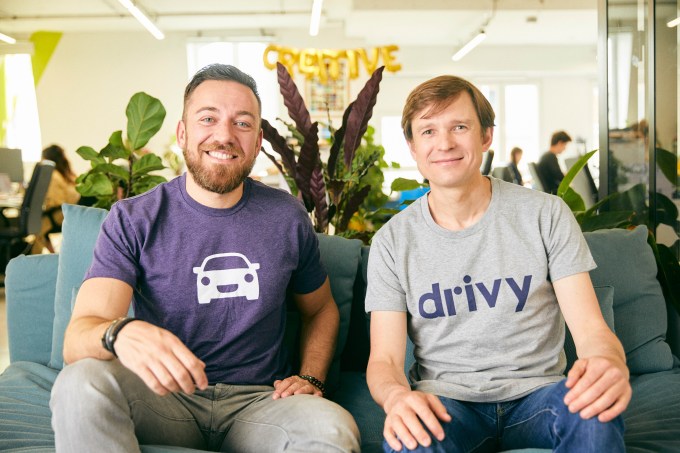
Our premium subscription service had another week of interesting deep dives. I added another great interview to my series “The Exit,” where I profiled Jeremy Uzan, a Parisian VC who was an early investor in Drivy, on which Getaround just dropped $300 million. We talked a bit about the future of car ownership and a lot about SoftBank’s king-making abilities.
The Exit: Getaround’s $300M roadtrip
“So right now, there are two kinds of VCs. You have the smart ones, but that’s not me. I’m more the gut-feeling guy. I have to feel that the team is interesting, smart, ambitious, like they’re the smartest people in the room and they’re working on something interesting.”
Here are some of our other top reads this week for premium subscribers. This week TechCrunch writers talked a bit about Huawei, a bit about AI and a bit about love…
- 10 Immigration tips for love-struck tech workers
- When will customers start buying all those AI chips?
- Why startups need to be careful about export licenses and the Huawei ban
Want more TechCrunch newsletters? Sign up here.

from Apple – TechCrunch https://tcrn.ch/2M7Bxdv
Comments
Post a Comment