Getting mental health services can be burdensome. And if you’re already going through a tough time, you’re probably looking for help sooner than later. But based on the current landscape, it can take months to find the right therapist who also takes your insurance.
This is where Meru Health hopes to come in. By providing its service as a benefit for employers to offer to their employees, Meru Health can operate as a first line of treatment where people can get help in a matter of weeks, Meru Health co-founder and CEO Kristian Ranta told TechCrunch.
Ranta, who lost his brother to suicide a few years ago, said there are “unfortunately lots of people suffering from depression and who are vulnerable to burnout.”
It’s true. Worldwide, more than 300 million people suffer from depression and 260 million suffer from anxiety disorders, according to the World Health Organization.
Meru Health offers an eight-week treatment program for depression, burnout and anxiety. The program, currently led by five licensed therapists, utilizes both cognitive behavioral therapy, behavioral activation and mindfulness-based intervention. Provided as an employee benefit, Meru Health only charges companies if the patients report feeling any better.
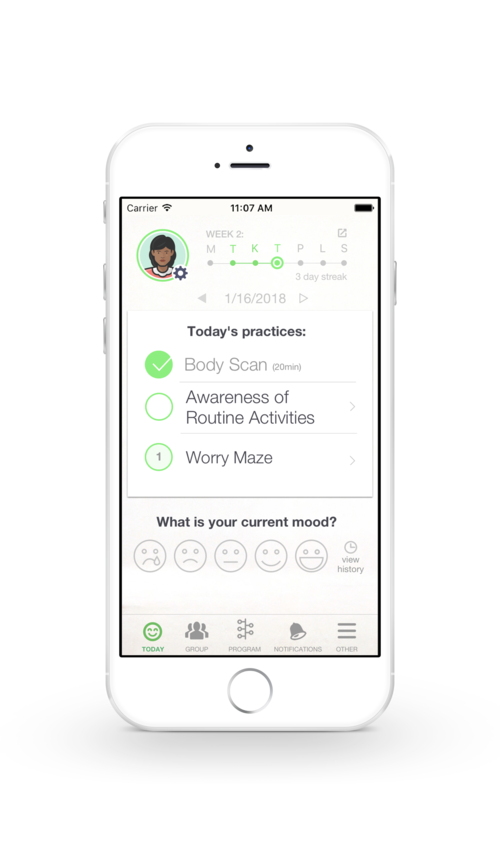
Meru Health’s current customers include WeWork and the Palo Alto Medical Foundation. To date, Meru Health says 75 percent of the people who go through its program report symptom reduction.
Other startups working in the mental health space include Pacifica and Lantern, a mental health startup that offers tools to deal with stress, anxiety and body image. To date, Lantern has raised more than $20 million in funding. Another one is Talkspace, which aims to be an alternative to traditional therapy.
Down the road, Meru Health may make its service available to everyday consumers, but right now, Ranta said the focus is on selling to larger employers and doing clinical research. Meru Health is also looking to bring on board a doctor to help with medication management and, possibly, even providing prescriptions, Ranta said. Meru Health, which is currently participating in Y Combinator, envisions bringing on a medical doctor post-YC.

from Startups – TechCrunch https://ift.tt/2yGMRXk
Comments
Post a Comment