Picfair, the photo marketplace that competes with Getty and Shutterstock by giving photographers a fairer deal, is adding a major update to its offering today. The London-based startup is launching Picfair Stores, giving the 35,000 photographers on its marketplace the ability to create their own free independent online store. Customers who buy from a Picfair Store can choose a licensed digital copy or a physical print.
“We’re moving beyond being just a new generation stock image marketplace,” Picfair founder Benji Lanyado, who used to be a journalist at The Guardian, tells me. “With stores, and prints, and more… we’re becoming a fully featured commercial ecosystem for photographers. At the heart of it all: the principle that anyone should be able to make money from their images, simply and fairly”.
In addition, every image on a photographer’s individual Picfair Store will also be available simultaneously on Picfair’s marketplace, which Lanyado likens to “thousands of local image stores across the globe, with a central Amazon-style megastore they all feed in to”.
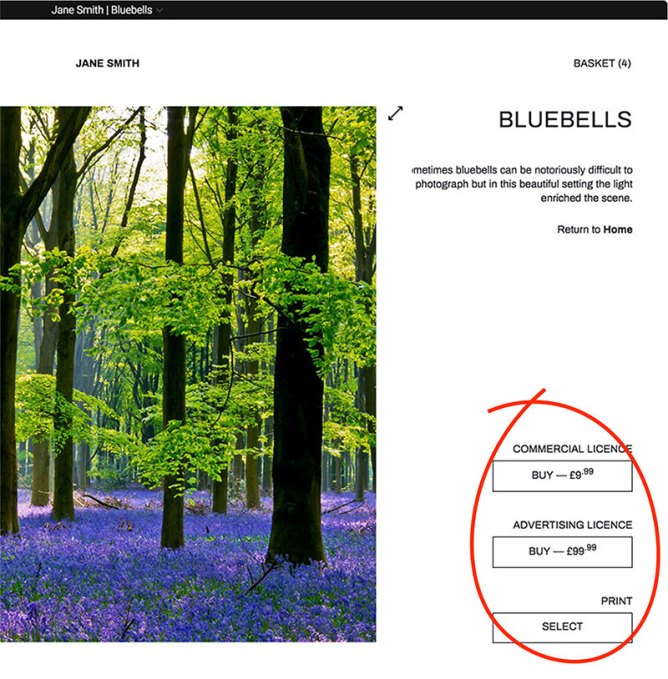 He also says it is the first time anyone has combined a marketplace, with the added control of website builders, such as Wix or Squarespace, and the on-demand print functionality of Smugmug or Zenfolio, all built with amateur photographers in mind (although the line to amateur and professional is becoming increasingly blurred).
“Picfair is uniting all of this. The control of a website builder. The commercial structures of an e-commerce platform. The exposure of a marketplace, with added price control and fair royalty splits,” Lanyado says.
Less tech-driven but perhaps equally significant, Picfair has recently launched a photo agency unit, building on top of its bread and butter business of selling image licenses to editorial and marketing companies. It came about slightly accidentally, says Lanyado, after brands and creative agencies started approaching the company asking if it could help them find photographers across the globe.
Initially we just introduced the photographers to the clients directly, like idiots,” he tells me. “Then we started acting like non-idiots and offered our services as a photographer-finder agency, with a very hand black book of 35,000 photographers around the world. We’ve already worked with Google, VisitBritain, Ogilvy and a few other big brands too. The cool bit: all of our leads have come from our community. Most of our photographers aren’t professionals, and their jobs cover the creative gamut: production people in creative agencies, marketing folk etc. The marketplace is generating leads for the agency!”.
Meanwhile, Picfair has just closed a $540,000 equity crowdfunding round. This saw many of its photographers take part, meaning that the company is now part photographer-owned. It adds to a £1.5 million seed round raised a year ago.

from Startups – TechCrunch https://ift.tt/2NBCLOD
Comments
Post a Comment